Engine Monitor Unit
Predictive Engine Intelligence
- Patented in 158 Countries
- Zero engine modification
- Plug&Play
- EASA Compliant
- Patented in 158 Countries
- Zero engine modification
- Plug&Play
- EASA Compliant
The only General Aviation technology using patent-protected acoustic analysis and machine learning to detect mechanical engine degradation before failure
Acoustic Engine Health Monitoring:
Hear engine anomalies before they ground you
The AEM’s revolutionary approach uses advanced acoustic signature analysis to monitor engine health non-invasively, delivering predictive intelligence once reserved for major airlines
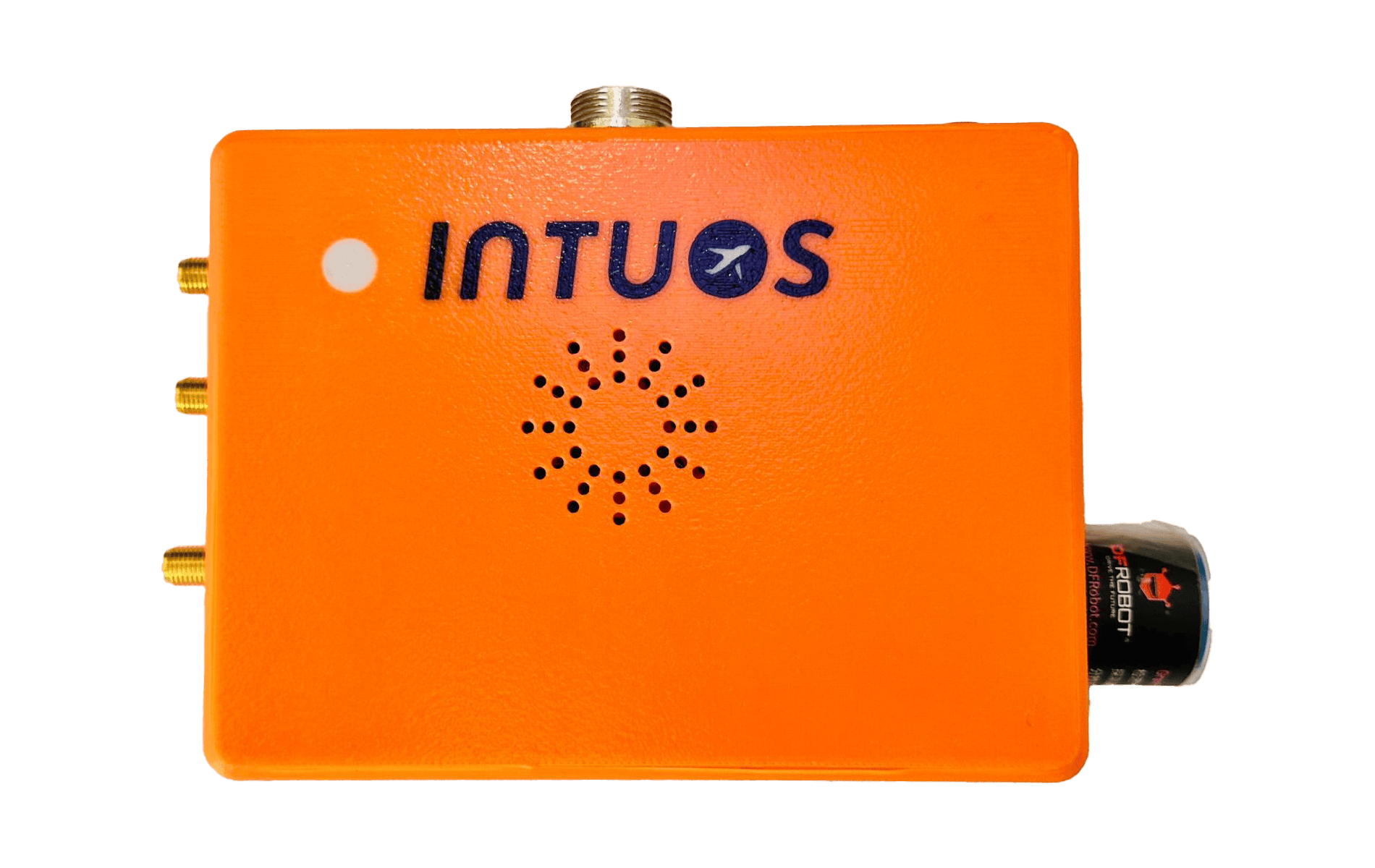
Monitoring
Uses microphone and accelerometer sensors to analyze engine signatures in real time. No engine modifications, internal sensors, or complex installations required.
Diagnostics
Proprietary machine learning models, trained on thousands of flight hours, distinguish healthy engine profiles from subtle anomalies that signal early-stage wear.
Warning
Detects engine degradation up to two months before critical failure, allowing maintenance to be scheduled during planned downtime.
Technology
Protected by comprehensive patents in 158 countries, safeguarding a unique innovation.
AEM Acoustic Engine Monitor: transforming raw sound data into Predictive Maintenance Alerts
Shift from reactive troubleshooting to proactive asset management using sound to detect issues before they lead to failures
Predictive tools & Analysis
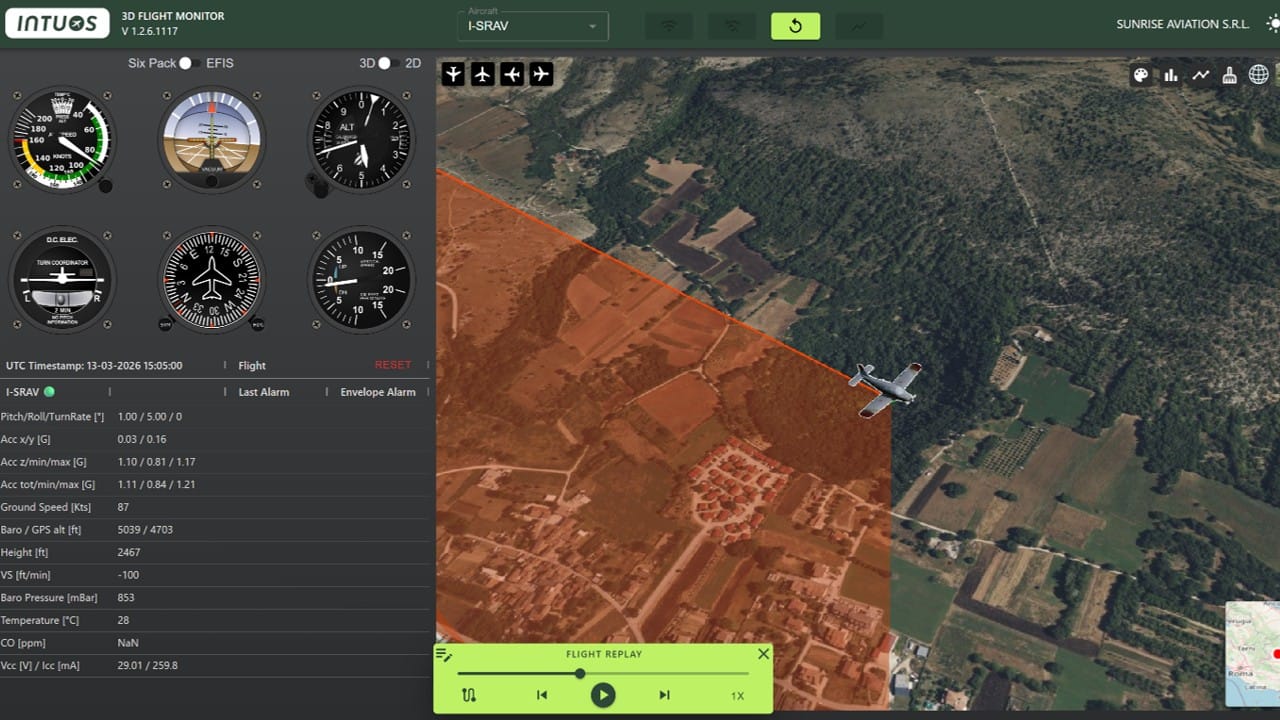
Real-Time Fleet Tracking
Monitor the exact location, altitude, and heading of your entire fleet on an intuitive map dashboard, updated every 2 seconds.
Real-Time Propeller RPM & Vibration Monitoring
A non-intrusive microphone array and an accelerometer continuously monitor real-time propeller RPM and engine vibration patterns.
Our machine learning models analyze these acoustic signatures to detect subtle anomalies that remain invisible to traditional sensors and the human ear.
Predictive Maintenance Alerts
Unlike traditional aircraft engine monitoring instruments that rely on engine sensors, plug & play AEM’s acoustic signature analysis adapts to your specific engine’s baseline.
These alerts are pushed directly to the The Manager©, allowing operators to schedule inspections during planned downtime rather than reacting to emergency groundings.
Condition-Based Health Tracking
Instead of relying solely on fixed flight-hour intervals, AEM tracks the actual health status of your engine.
This data-driven approach helps commercial operators protect revenue, meet strict SLA commitments, and significantly reduce the high costs of unplanned AOG events.
The Ears
Integrate AEM Acoustic Engine Data with The Manager©
Predictive Maintenance + Fleet Operations in One Platform
AEM becomes the “Ears” of your fleet, delivering predictive intelligence fully unlocked when integrated with The Manager© | The Brain
-
Predictive Engine Alerts
Acoustic anomalies and degradation trends are sent directly as risk-classified alerts to the maintenance dashboard in The Manager© allowing managers to monitor real-time engine health alongside airworthiness records in a single reliable source.
-
Cost & Uptime Protection
Moving from reactive to predictive maintenance enables inspections to be scheduled during planned downtime, helping prevent costly Aircraft on Ground events and unexpected disruptions.
The Brain
The Manager ©
The central intelligence hub that digitizes your entire operation. From multi-base scheduling to EASA compliance, it eliminates manual processes and keeps your organization audit-ready.
-
Key capabilities
Multi-base scheduling, digital logbooks, CBTA competency tracking, and automated Electronic Technical Logs (eTL).
Purpose-built for
every Operations
Training continuity is essential to student progression.
Unexpected engine failures disrupt schedules, delay student learning, and increase costs absorbed by your school.
-
Student Safety
Enhance safety by detecting mechanical irregularities and vibration anomalies before they escalate into in-flight emergencies.
-
Fleet Availability
Keep training schedules on track by addressing mechanical wear during low-demand periods instead of reacting to mid-day failures.
-
Training Reputation
Strengthen your school’s reputation as a forward-thinking academy that uses predictive intelligence to protect students and assets.
In commercial aviation, every hour grounded is lost revenue.
Unplanned AOG events cause sudden mission cancellations, costly SLA penalties, expensive emergency repairs, and damaged client trust.
-
Uptime Protection
Move from emergency scrambles to planned maintenance. Preventing a single major failure can often justify the entire system through avoided costs.
-
Mission Reliability
Use real-time propeller RPM and vibration monitoring to maintain peak engine performance during high-stakes commercial missions.
Without unique diagnostic capabilities, it is difficult to differentiate your services or build the proactive trust needed to justify premium service tiers and reduce client churn.
-
Diagnostic Intelligence
Replace maintenance guesswork with objective acoustic trend data, reducing diagnostic time and improving first-time fix rates
-
Service Differentiation
When clients share AEM data, offer a premium Predictive CAMO tier powered by patent-protected acoustic technology unavailable elsewhere.
-
Proactive Asset Guardianship
Move beyond reactive support by alerting clients before failures occur and helping protect their assets.
Stop reacting to failures.
Start preventing them
See for yourself how AEM acoustic intelligence provides a competitive moat for your organization.
- 30 Minute Discovery Call
- Platform Demo
Frequently Asked Questions
How does AEM work?
In addition to GPS tracking, the device leverages audio signals and acceleration data to calculate propeller RPM and monitor engine vibrations.
This enables accurate insights into engine performance without requiring direct integration with onboard systems. The technology is patented in 158 countries.
How does acoustic engine monitoring work on aircraft?
The AEM uses a microphone array and accelerometer sensors — without any engine modification — to continuously capture the acoustic signature and vibration patterns of the engine and propeller in real time. Proprietary machine learning models, trained on thousands of hours of aviation flight data, analyze these acoustic signatures to detect subtle anomalies that indicate early-stage mechanical wear — often up to two months before a critical failure would become evident through traditional inspection methods.
Can AEM prevent AOG (Aircraft on Ground) events?
Yes. AOG prevention is the primary value proposition of the AEM. By detecting piston engine degradation up to 2 months early, the AEM gives maintenance teams and fleet managers the advance warning needed to schedule inspections during planned downtime rather than reacting to emergency groundings. A single avoided AOG event typically justifies the full cost of the system many times over.
Does AEM installation require any certification?
No. The AEM requires zero engine modifications, zero internal sensors, and zero STC. The device is mounted in the cabin and listens to the engine acoustically — it is a fully removable, plug-and-play device compliant with EASA CS-STAN 061.
This makes it one of the most accessible aircraft engine monitoring systems available to general aviation operators, flight schools, and CAMO organizations.
Can I use AEM without The Manager© software?
Yes, the data collected by the device can be accessed through dedicated software applications, which can be used independently without requiring access to specific modules of The Manager© .
What aircraft types are compatible?
The AEM can be installed on both airplanes and helicopters. Installation can be performed by any qualified CAMO or approved Maintenance Organization, ensuring broad compatibility across any type of aircraft.
Can I use AEM without IFU?
Yes, you can choose either of the two devices based on your specific needs. AEM is typically selected when the focus is on engine performance monitoring, while IFU is preferred for detecting and analyzing flight maneuvers.


